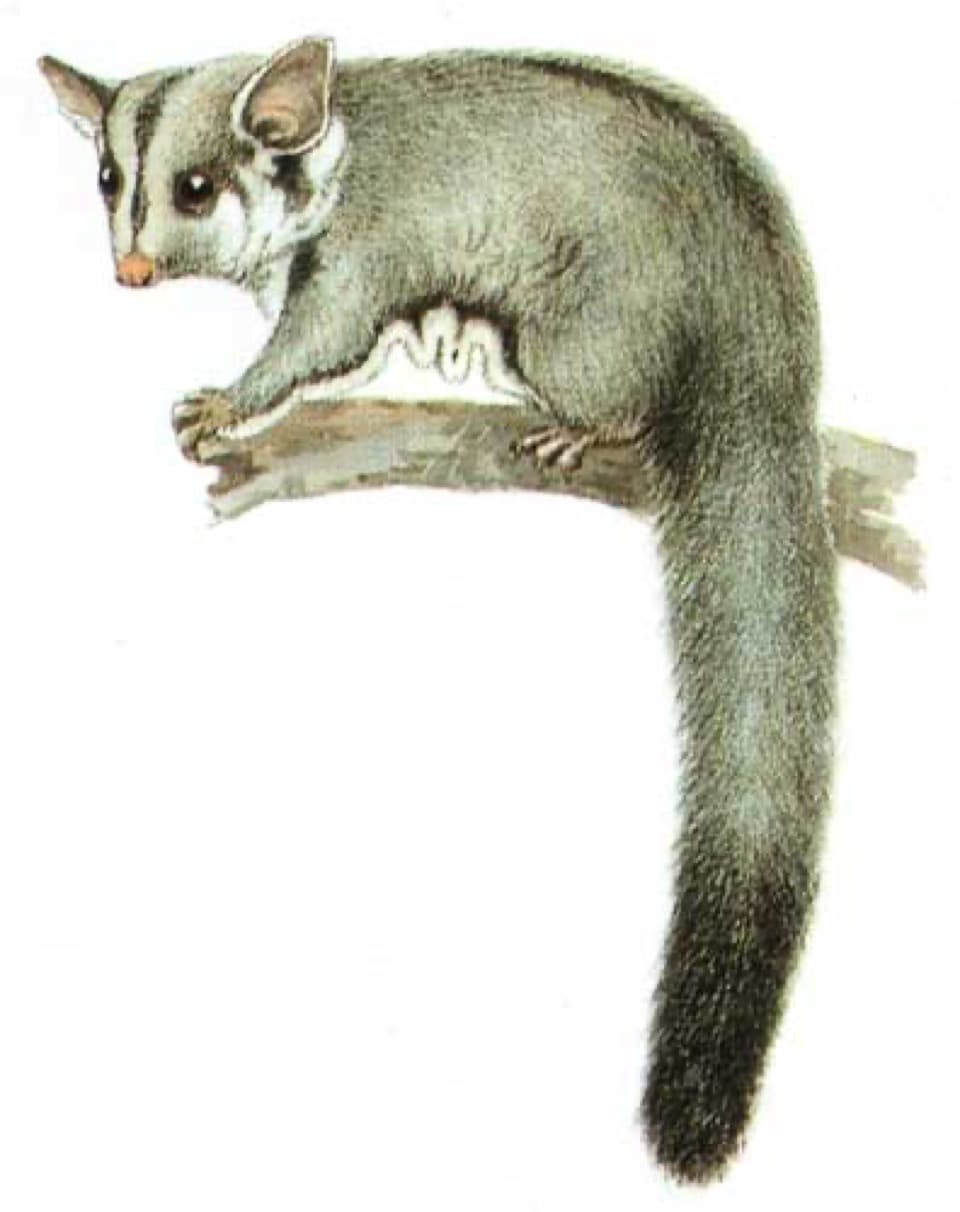
Sugar Glider
- Adult size
- 12–16 cm long excluding tail, 90–150 g
- Lifespan
- 10–15 years
- Origin
- Australia and New Guinea
- Company
- Must live in groups; needs night-time interaction
- Social
- Active
- Nocturnal
- Demanding
About the Sugar Glider
The sugar glider is a small marsupial from Australia and New Guinea, able to glide between trees using a membrane between its limbs. It lives in family groups and is active at night.
Sugar gliders are demanding pets. They need groups, specialist diets, large enclosures and night-time interaction, and are restricted, licensed or banned in some places.
Temperament
Sugar gliders are intensely social marsupials that groom, sleep and forage together, communicating with barks, chatters and a defensive 'crabbing' noise. A glider kept alone is at real risk of depression and self-harm, so they should live with at least one other. They sleep through the day and come alive after dark, which means owners must be available for evening interaction. Bonding takes weeks of patient contact, and frightened gliders bite.
Housing
Height matters more than floor space: provide a tall, well-ventilated enclosure of at least around 90 cm wide, 60 cm deep and 150 cm tall for a small group, with branches, ropes and hanging pouches for sleeping. They need a warm room without draughts. Gliding practice in a safe, glider-proofed room, with toilets closed, windows shut and other pets away, should be supervised. Clean food and toilet areas daily, as their diet is messy.
Diet
In the wild sugar gliders feed on tree gum and sap, nectar and insects, and getting this balance right in captivity is the hardest part of their care. Diets made mostly of fruit or a single dry food often lead to calcium deficiency, obesity and dental disease. Follow a diet plan recommended by a vet experienced with gliders, combining a protein source, a nectar or gum substitute and limited fresh produce. Water should be available at all times.
Exercise & enrichment
Gliders need branches to leap between, foraging toys that hide insects or food, and a solid wheel designed for small animals with no central axle that can catch the gliding membrane. Spending evenings with them, letting them ride in a bonding pouch or explore a safe room, is a core part of care rather than an optional extra. New smells and objects rotated into the enclosure help keep them engaged.
Grooming
Gliders keep their own fur clean, so bathing is not needed. Their sharp nails may need trimming by a vet or experienced keeper. Males have scent glands that leave a musky smell, which neutering may reduce; discuss this with a vet.
Health
Calcium deficiency from poor diets can cause weakness, trembling or paralysis of the hind legs and is a common reason gliders are seen by vets. Stressed or lonely gliders may chew their own skin, tail or genitals, which needs urgent treatment. Obesity, dental disease and injuries from household hazards are also seen. Find a vet experienced with exotic marsupials before buying, as many practices cannot treat them.
Prone to
- Calcium deficiency
- Self-harm from stress
- Dental disease
- Obesity
Call a vet if you notice
- Paralysis or weaknessEmergency
- Self-inflicted woundsEmergency
- Weight loss
- Diarrhoea
- Lethargy
A vet with experience of exotic pets is best placed to help. Find one before you need them.
Common questions
Is it legal to keep a sugar glider?
It depends where you live. Some countries and regions ban sugar gliders, others require a licence or permit, so check your local rules before getting one.
Can a sugar glider live alone?
No. Gliders are highly social and a lone glider is prone to stress and self-harm. They should live with at least one other glider.
Are sugar gliders good pets for beginners?
Generally not. Their night-time schedule, complex diet, social needs and need for specialist vet care make them one of the more demanding small pets.
Why is my sugar glider's back legs weak?
Hind leg weakness is often linked to calcium deficiency from an unbalanced diet. It is an urgent reason to see an exotic vet.
Written by the Petopedia editorial team to our editorial standards. General guidance, not veterinary advice.