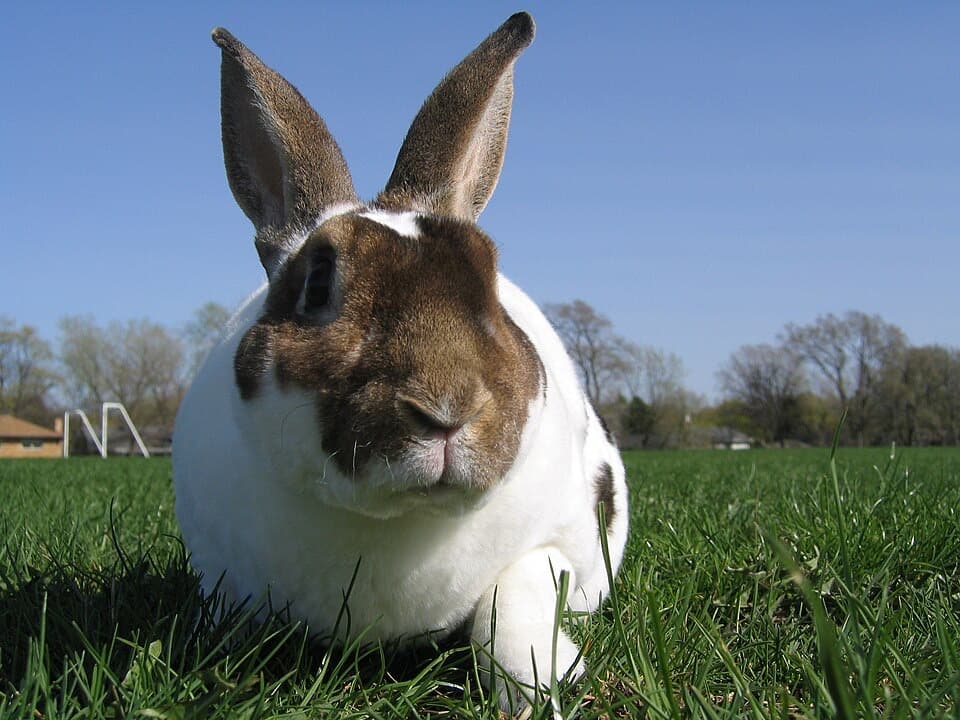
Rex
Also known as Standard Rex
- Adult size
- About 3.4–4.8 kg
- Lifespan
- 6–10 years
- Origin
- France
- Company
- Keep in a neutered pair or group
- Steady
- Affectionate
- Confident
- Plush
About the Rex
The Rex is a medium-to-large rabbit with dense, velvety fur caused by a recessive gene that shortens the guard hairs. The mutation appeared in France in the early 1900s and was soon developed into a breed that spread across Europe and North America.
Originally valued for its fur and meat, the Rex is now kept widely as a pet. Its size and steady nature make it a good companion for people who have room for a larger rabbit.
Temperament
Rex rabbits are typically even-tempered and confident, and many enjoy human company. Does can be more territorial, particularly if not spayed. They are known for being affectionate once they trust their owners, often seeking out head strokes.
Housing
A rabbit of this size needs generous space: an enclosure several metres long, or a rabbit-proofed room, with a shelter tall enough for it to sit fully upright. Soft, non-slip flooring matters because rex-coated feet are prone to sores. They do well indoors or in a well-designed outdoor setup with weather protection and shade.
Diet
Hay or grass should be available around the clock, making up most of the diet. Add a good handful of mixed leafy greens daily and a limited portion of plain pellets, scaled to the rabbit's weight. Avoid sudden changes and sugary treats beyond the occasional small piece of fruit.
Exercise & enrichment
Rex rabbits enjoy space to run and like exploring new layouts, so rearranging boxes and tunnels keeps things interesting. Digging boxes and chew items cater to natural behaviour. Their weight means lifting must be done carefully, with one hand under the chest and one supporting the rear.
Grooming
The plush coat needs minimal grooming; a damp hand or soft cloth removes loose fur during moults. Check feet often, trim nails and keep an eye on teeth and the rear end.
Health
Sore hocks are the main breed-related concern, made worse by hard or wet floors and excess weight. Dental disease, gut stasis and uterine cancer in unspayed does are risks shared with other domestic rabbits. Keep vaccinations against myxomatosis and RHD up to date where available.
Prone to
- Sore hocks
- Dental disease
- Gastrointestinal stasis
- Uterine cancer in unspayed does
Call a vet if you notice
- No appetite or no droppings for several hoursEmergency
- Open sores or swelling on the hocks
- Teeth grinding, hunching or pressing the belly to the floor
- Discharge from the eyes or nose
- Maggots or a soiled rearEmergency
A vet with experience of exotic pets is best placed to help. Find one before you need them.
Common questions
How big does a Rex rabbit get?
Standard Rex rabbits usually weigh around 3.4–4.8 kg as adults. The Mini Rex is a separate, much smaller breed.
Do Rex rabbits shed?
Yes, they moult like other rabbits, though the short coat makes shedding less noticeable. Gently removing loose fur during moults helps reduce how much they swallow.
Are Rex rabbits cuddly?
Many are affectionate and enjoy being stroked, but most prefer to stay on the ground. Sitting with them on the floor is the best way to build trust.
Written by the Petopedia editorial team to our editorial standards. General guidance, not veterinary advice.