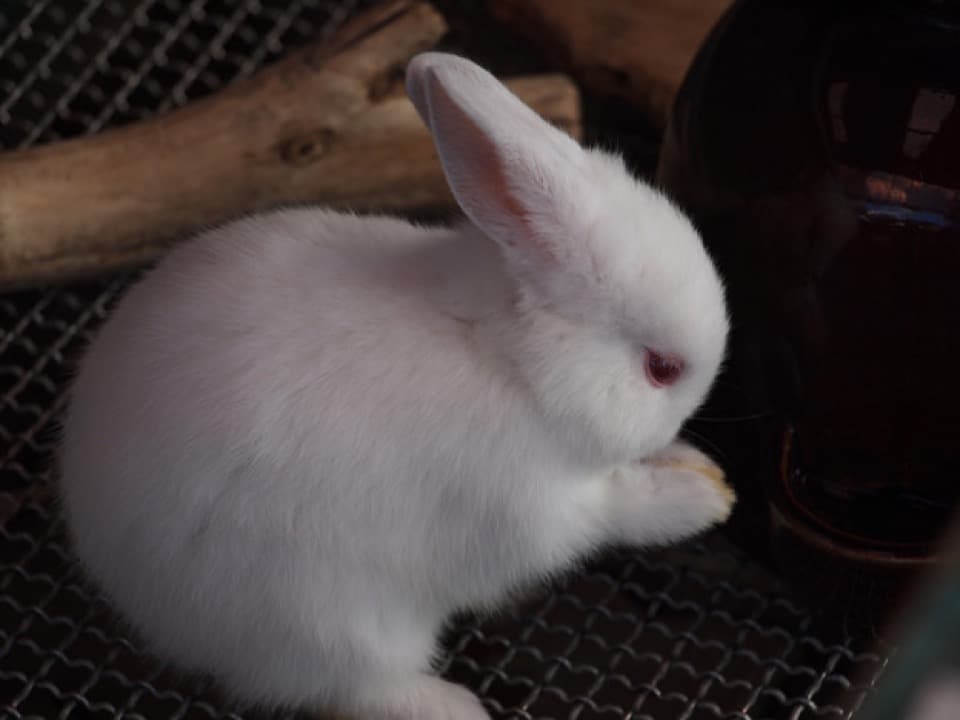
Polish
Also known as Polish rabbit
- Adult size
- About 1–1.6 kg
- Lifespan
- 7–10 years
- Origin
- England (despite the name)
- Company
- Keep in a neutered pair or group
- Gentle
- Calm
- Quick
- Compact
About the Polish
The Polish is a small, compact rabbit with short ears held close together and a rounded head. Despite its name, it is generally thought to have been developed in England in the 19th century, and the origin of the name is unclear.
Naming varies by country: in the United States, the Polish is a short, cobby little rabbit, while the rabbit called the Polish in Britain is the fine-boned, arched breed that Americans know as the Britannia Petite. This profile describes the American-style Polish.
Temperament
Polish rabbits are often gentle and calm, though they can be quick and lively when exploring. They tend to do well with steady, patient handling. Like other small breeds, they may be startled by sudden movements or loud noises.
Housing
Give a Polish rabbit a spacious, secure area with plenty of room to run and hidden places to retreat to. Keep the environment calm and away from constant noise. Indoor or outdoor housing can work if it is dry, safe from predators and protected from temperature extremes.
Diet
Hay should form the bulk of the diet, available at all times, with a daily handful of leafy greens and a small portion of plain pellets. Polish rabbits are small and easily overfed, so keep treats tiny. Ensure a constant supply of clean water.
Exercise & enrichment
Chew toys, cardboard boxes, willow balls and tunnels cater to their curious nature. Floor-level time with their owners helps them grow confident. When handling is needed, scoop them up gently with support under the back legs.
Grooming
Their short, fine coat needs only weekly brushing outside moults. Check the teeth regularly, keep nails trimmed and inspect the rear end in warm weather.
Health
Their compact head can make them prone to dental malocclusion, so tooth checks should be part of routine care. They are susceptible to the same general conditions as other rabbits, including gut stasis, respiratory infections and uterine cancer in unspayed females. Vaccinate against myxomatosis and RHD where available.
Prone to
- Dental malocclusion
- Gastrointestinal stasis
- Respiratory infections
- Uterine cancer in unspayed females
Call a vet if you notice
- Stopped eating or producing droppingsEmergency
- Sneezing with thick nasal discharge
- Drooling or difficulty chewing
- Sitting hunched in a corner
- Sudden loss of weight
A vet with experience of exotic pets is best placed to help. Find one before you need them.
Common questions
Is the Polish rabbit from Poland?
Probably not. Most accounts place its development in England, and why it came to be called Polish is not clearly known.
What is the difference between a Polish and a Britannia Petite?
In the United States they are two separate breeds: the Polish is cobby and rounded, the Britannia Petite fine-boned and arched. In Britain, the arched breed is itself called the Polish, which causes confusion.
How long do Polish rabbits live?
With good care many live roughly 7 to 10 years, sometimes longer.
Written by the Petopedia editorial team to our editorial standards. General guidance, not veterinary advice.