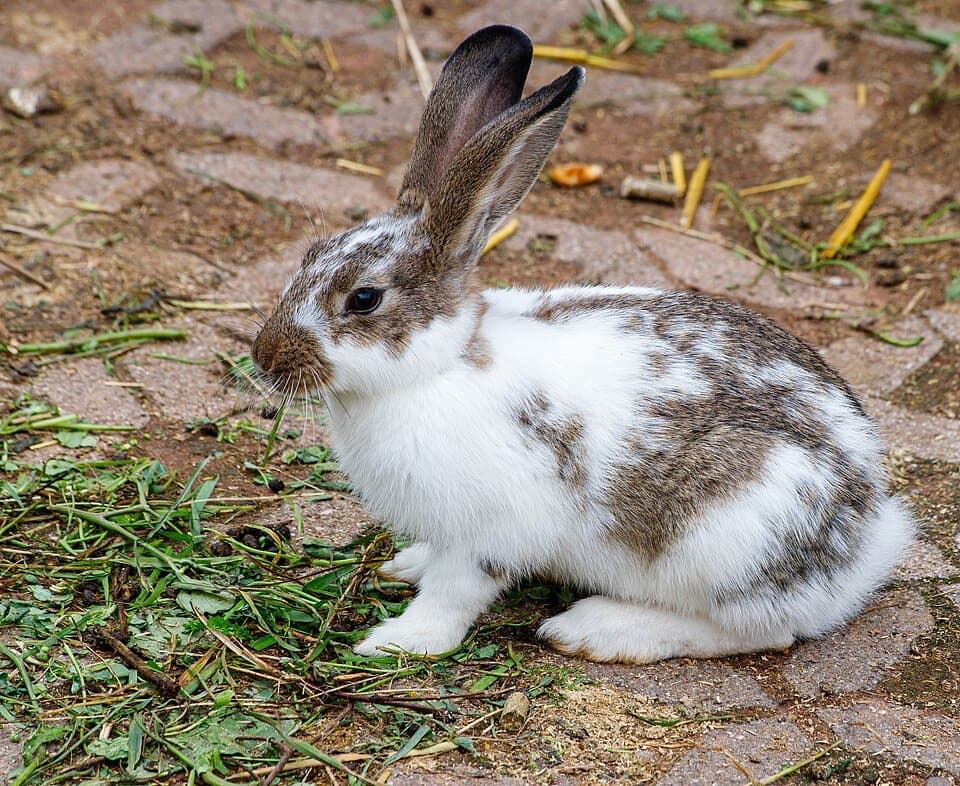
Mixed breed rabbit
Also known as Crossbreed rabbit, Domestic rabbit
- Adult size
- Varies widely, from under 1.5 kg to over 6 kg
- Lifespan
- 7–12 years
- Origin
- Worldwide
- Company
- Keep in a neutered pair or group
- Varied
- Curious
- Affectionate
- Unique
About the Mixed breed rabbit
Most rabbits in rescue centres are mixed breeds, combining traits from several breeds or with no known pedigree at all. They can be any size, ear type, coat length or colour, and their adult size can be hard to predict if they are adopted young.
Mixed breed rabbits make wonderful companions and are often available already neutered, vaccinated and bonded in pairs. Adopting from a rescue also gives staff the chance to match a rabbit's personality to your home.
Temperament
Personality varies enormously, shaped by genetics, early handling and past experience. Many are curious, playful and affectionate, while some rescues need time to trust people. Rescue staff can usually tell you a lot about a rabbit's character before you take it home.
Housing
All rabbits need a large, secure living space with room to run, stand upright and hide, ideally with constant access to an exercise area. Match the size of the setup to the size of the rabbit. Indoors or outdoors, protect them from predators, extreme temperatures and hazards such as cables.
Diet
Hay or grass should form the majority of the diet and always be available. Offer a variety of leafy greens daily, a small portion of plain pellets and fresh water. Introduce new foods gradually to avoid upsetting the gut.
Exercise & enrichment
Every rabbit benefits from places to dig, things to chew, tunnels and food to forage. Daily exercise and social interaction are essential. Learn your rabbit's preferences, as some enjoy handling while others prefer floor-level attention.
Grooming
Grooming needs depend on coat type: short coats need a weekly brush, while long or woolly coats need more frequent care. Check teeth, nails and the rear end routinely, whatever the coat.
Health
Health risks depend partly on body shape: rabbits with short faces may be prone to dental problems, and those with lop ears to ear infections. All rabbits are susceptible to gut stasis, flystrike and infectious diseases such as myxomatosis and RHD. Neutering, vaccination where available and regular vet checks help keep them well.
Prone to
- Dental disease
- Gastrointestinal stasis
- Flystrike
- Ear problems in lop-eared rabbits
Call a vet if you notice
- Not eating or no droppings for several hoursEmergency
- Maggots or a soiled rearEmergency
- Head tilt, rolling or loss of balance
- Hunched posture or teeth grinding
- Swollen eyes, lips or genitalsEmergency
A vet with experience of exotic pets is best placed to help. Find one before you need them.
Common questions
How big will my mixed breed rabbit get?
It can be hard to predict, especially in young rabbits. Paw size and parent size, if known, give clues, and a vet or rescue can offer an estimate.
Are mixed breed rabbits healthier than purebreds?
Not necessarily, but they may be less likely to have extreme features such as very short faces that can contribute to problems. Health depends greatly on care, diet and vet attention.
Should I adopt a rabbit from a rescue?
Rescues often have rabbits of all ages and personalities, many already neutered, vaccinated and bonded. Staff can help match a rabbit to your lifestyle.
Written by the Petopedia editorial team to our editorial standards. General guidance, not veterinary advice.