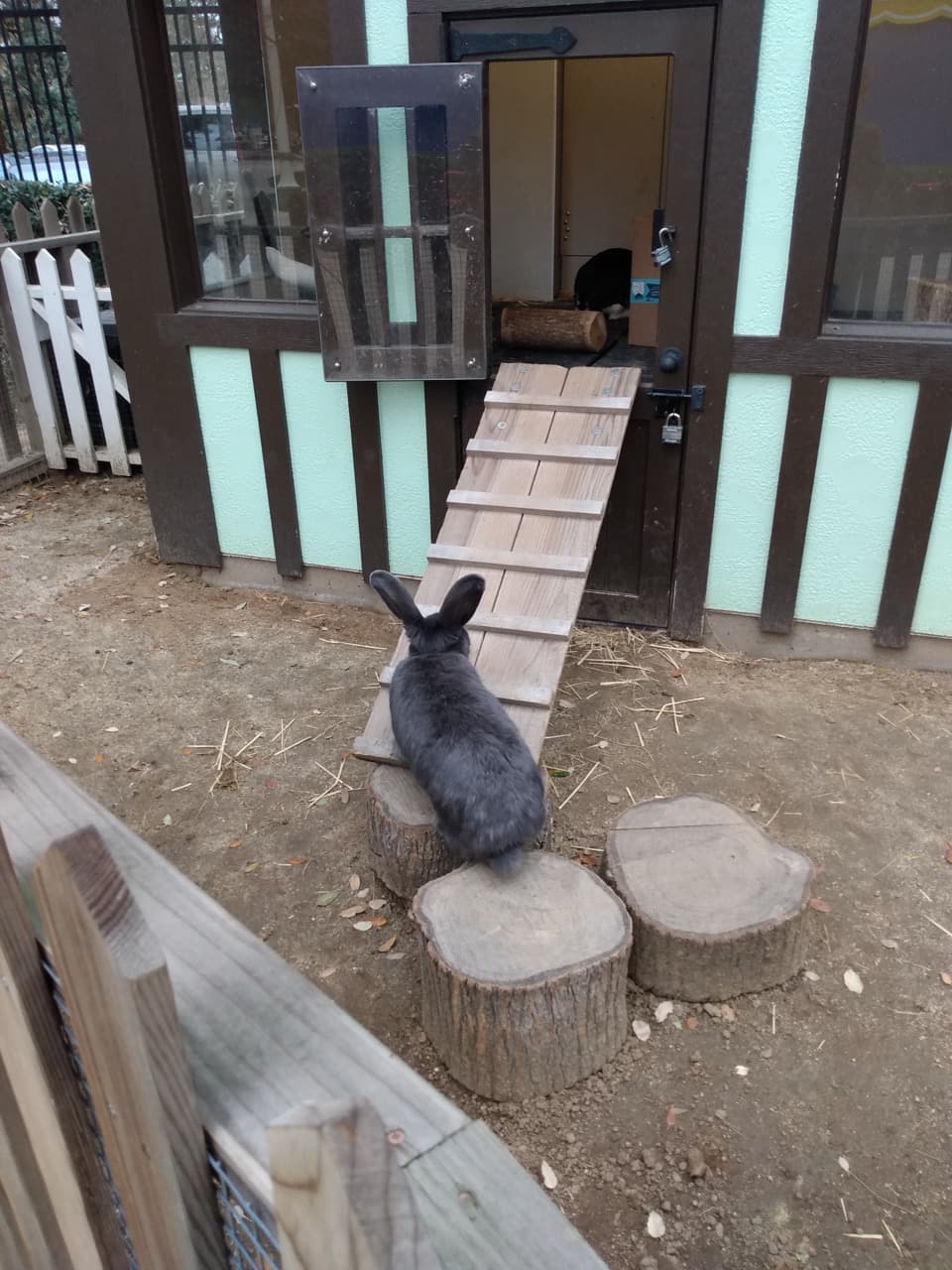
Continental Giant
Also known as German Giant
- Adult size
- Commonly 7 kg or more; no upper limit in the breed standard
- Lifespan
- 4–7 years
- Origin
- Europe (developed from Flemish Giant lines)
- Company
- Keep in a neutered pair with another large rabbit
- Docile
- Inquisitive
- People-oriented
- Huge
About the Continental Giant
The Continental Giant is a very large rabbit descended from Flemish Giant stock that was developed in mainland Europe and later standardised in Britain. It comes in coloured and white varieties, and its sheer size regularly attracts attention.
Rescue organisations in the UK often take in Continental Giants whose owners underestimated how big they would grow. Anyone considering one should plan for a dog-sized amount of space and a rabbit that may need extra veterinary support in later life.
Temperament
Continental Giants are typically docile, inquisitive and people-oriented, often following their owners like a curious dog. Youngsters can be boisterous and clumsy as they grow into their bodies. Their good nature makes them popular house rabbits, provided the household can manage their size safely.
Housing
Plan for a living space measured in metres rather than centimetres, with a shelter or bed area large enough to lie fully stretched out. Many live as house rabbits with access to several rooms. Ramps should be wide and shallow, flooring cushioned and non-slip, and litter trays large enough for a rabbit that may be longer than a small dog.
Diet
Hay is the cornerstone of the diet and they will get through a surprising amount of it each day. Feed a wide variety of leafy greens and herbs, and portion pellets carefully based on vet advice, because overfeeding a fast-growing youngster or an inactive adult causes problems. Large, heavy water bowls are usually easier for them than bottles.
Exercise & enrichment
Free-roaming time, room to stretch, big boxes to sit in and hay piles to forage through keep a Continental Giant content. Gentle interaction on the floor suits them best. Because lifting is hard on both rabbit and owner, train them to walk into a large carrier for vet visits.
Grooming
Weekly brushing is usually enough outside the moult, but expect a lot of fur when they shed. Check the rear end daily, as giant rabbits often cannot reach to clean themselves, and keep nails short to help their gait.
Health
Arthritis, spinal problems and sore hocks are common as Continental Giants age, and their lifespan is often shorter than that of smaller breeds. Obesity, flystrike and dental disease are other concerns. Regular check-ups allow a vet to spot joint pain early and suggest ways to keep them comfortable.
Prone to
- Arthritis and spondylosis
- Sore hocks
- Obesity
- Flystrike
- Dental disease
Call a vet if you notice
- Not eating or no droppingsEmergency
- Sudden paralysis or inability to standEmergency
- Urine scald or maggots around the rearEmergency
- Stiffness, limping or reluctance to move
- Weight loss despite eating
A vet with experience of exotic pets is best placed to help. Find one before you need them.
Common questions
How big is a Continental Giant rabbit?
Most adults weigh 7 kg or more and can be very long when stretched out. The breed standard in the UK sets a minimum weight but no maximum.
Are Continental Giants good house rabbits?
Many are calm and friendly and make excellent house rabbits. They need lots of room, cushioned floors and owners prepared for high food and vet costs.
Why do giant rabbits have shorter lives?
As in many animals, very large body size seems to be linked with faster ageing and more joint and heart strain. Exact lifespans vary widely between individuals.
Written by the Petopedia editorial team to our editorial standards. General guidance, not veterinary advice.