Hot Weather Safety for Dogs and Cats
In short
Dogs and cats cannot cool down as efficiently as people, and heatstroke can develop quickly. Keep pets out of hot cars, exercise dogs at cooler times of day, provide plenty of water and shade, and if you see signs of heatstroke, start cooling your pet and get to a vet straight away.
Why heat is a risk for pets
Dogs cool themselves mainly by panting, with a small amount of heat lost through their paw pads. Cats pant less readily and rely more on grooming and finding cool places to rest. Neither method works as well as sweating, and both become less effective in humid weather. When a pet cannot get rid of heat fast enough, its body temperature rises, and heatstroke can follow.
Heatstroke is not only a risk on the hottest days. Exercise, a warm room, a conservatory, a car or a lack of shade can all be enough on a mild but sunny day.
Pets at higher risk
Any pet can overheat, but some are more vulnerable:
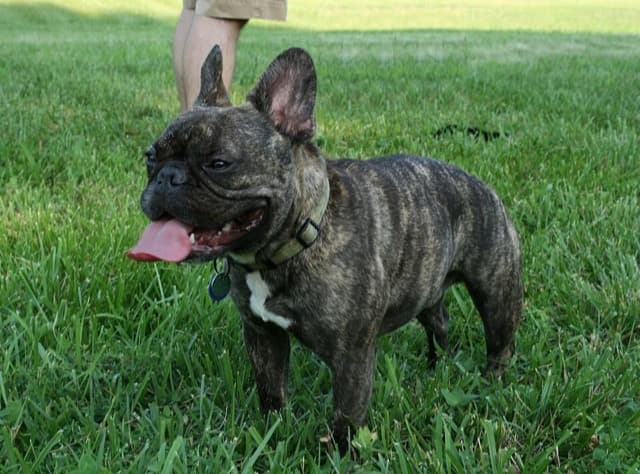
- Flat-faced breeds – such as Pugs, French Bulldogs, Bulldogs, Shih Tzus, and Persian or other flat-faced cats. Their shorter airways make panting less effective.
- Thick or double coats – breeds bred for cold climates can struggle in heat.
- Overweight pets – extra fat insulates the body and makes exercise harder work.
- Elderly pets – they may cope less well with temperature changes and often have other health conditions.
- Very young pets – puppies and kittens are less able to regulate their temperature.
- Pets with health conditions – including heart or breathing problems.
- Very active dogs – dogs that keep running and playing even when they are getting too hot.
If you are not sure how your dog's breed copes with heat, our dog breed guides include notes on build and coat. Our pet calculators can help you check whether your pet is at a healthy weight, which is one of the risk factors you can change.
Never leave pets in cars
A parked car heats up quickly, even with the windows open and even when the weather outside does not feel very hot. Parking in the shade does not make it safe, as the sun moves. Do not leave a dog or cat in a car on a warm day, not even "just for a minute".
On journeys, use air conditioning or good ventilation, take water, and plan stops in the shade. Avoid travelling in the hottest part of the day if you can.
Walks and exercise
- Walk at cooler times – early morning and later evening are usually best in summer. In a heatwave, it is fine to skip a walk and play gentle games indoors instead.
- Keep it gentle – shorter, slower walks in shaded areas. Leave the ball or frisbee at home on hot days, as many dogs will not stop by themselves.
- Check the pavement – place the back of your hand on the ground for several seconds. If it is too hot for your hand, it is too hot for paws. Tarmac, sand and artificial grass can all burn.
- Watch your dog – if they slow down, lie down, or pant heavily, stop, find shade and offer water.
Water, shade and a cool home
- Provide fresh water at all times, and put out extra bowls in different places. Take water on walks.
- Make sure there is shade in the garden throughout the day, not just in the morning.
- Keep curtains or blinds closed on sunny sides of the house, and let pets choose cooler rooms, such as tiled floors.
- Cooling mats, damp towels and a fan can help, but always let your pet move away if they want to.
- Check on small pets kept in hutches or cages, and move them out of direct sun.
- Cats with white or pale ears and noses can burn in strong sun. Ask your vet about pet-safe sun cream.
Pets often drink more in hot weather, which is normal. If you track water with Petopedia, you will probably see a rise on hot days. A rise that continues once the weather has cooled is worth paying attention to.
Warning signs of heatstroke
Watch for:
- Heavy, fast panting, or panting in a cat
- Excessive drooling
- Bright red, dark or very pale gums and tongue
- Restlessness, then becoming lethargic or confused
- Stumbling, weakness or lack of coordination
- Vomiting or diarrhoea
- Collapse or seizures
Signs can progress quickly. Heatstroke is an emergency, and the sooner your pet is cooled and seen by a vet, the better.
First aid for heatstroke
If you think your pet has heatstroke, act straight away:
- Move them to shade or a cool place – out of the sun and away from heat.
- Phone your vet – tell them you are coming. Ask someone else to call if you are busy cooling your pet.
- Start cooling – pour cool water (not ice-cold) over your pet's body, or use wet towels and replace them often so they do not trap heat. A fan or breeze helps.
- Offer small amounts of water – if your pet is alert and able to drink. Do not force water into their mouth.
- Get to the vet straight away – keep cooling on the way, with the windows open or air conditioning on.
Avoid ice or ice-cold water, which can make blood vessels near the skin constrict and slow cooling. Even if your pet seems to recover, they still need to see a vet, as heatstroke can cause problems inside the body that are not visible at first.
Our guide to signs your pet needs a vet lists other emergencies worth knowing about. When in doubt, call your vet.
-
1
Move to shade
Somewhere cool and out of the sun, with air moving.
-
2
Cool with water
Pour cool — not ice-cold — water over the body and legs.
-
3
Keep air flowing
A fan or breeze helps. Don't cover them with a wet towel.
-
4
Offer small sips
Let them drink a little if they want to. Don't force it.
-
5
Get to a vet now
Call ahead and keep cooling on the way. Heatstroke can worsen after they seem better.
Written by the Petopedia editorial team to our editorial standards. This is general information, not veterinary advice — if you're worried about your pet, contact your vet.