Cold weather care for dogs and cats
In short
Some pets feel the cold much more than others, so think about your own pet's age, size and coat. The biggest winter hazards are antifreeze, road grit and the dark, alongside simple things like frozen water bowls. Small adjustments to walks, bedding and food can keep your pet comfortable until spring.
Who feels the cold most?
Fur is not the same as a warm coat. Pets that tend to feel the cold more include:
- Small dogs and toy breeds, which lose heat quickly
- Thin-coated or short-haired breeds
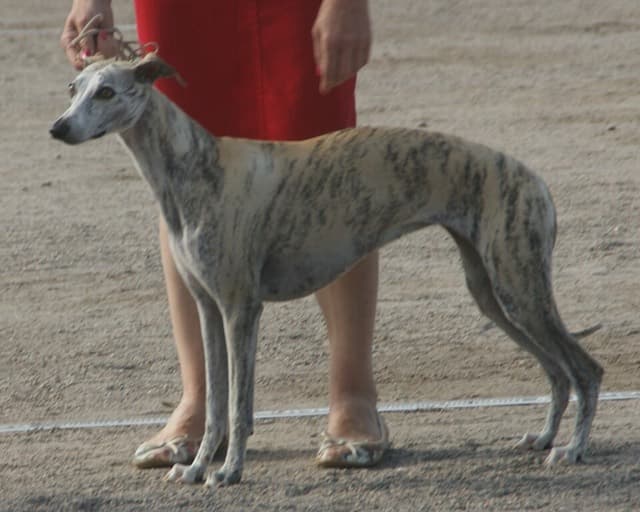
- Sighthounds such as greyhounds, whippets and lurchers, which have little body fat and thin skin
- Elderly pets, particularly those with arthritis or other health conditions
- Puppies and kittens, which cannot regulate their temperature as well
- Pets that have been clipped short or are underweight
Signs your pet is cold include shivering, a hunched posture, lifting paws off the ground, slowing down or trying to turn back home. If you see these, head indoors and warm up.
Coats and warm bedding
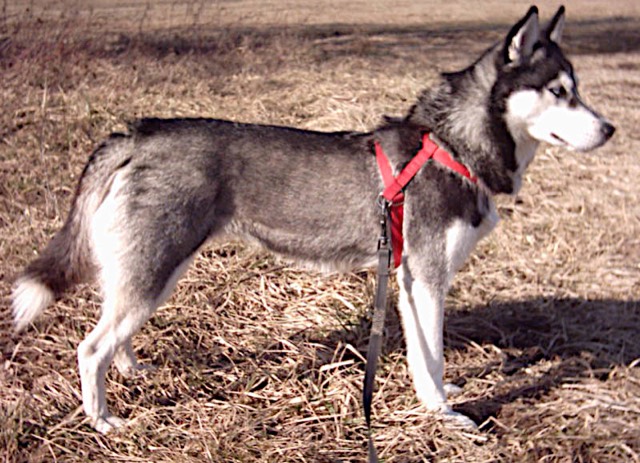
A well-fitting coat can make a real difference for dogs that feel the cold. Look for one that covers the back and chest, does not rub under the legs, and allows your dog to move and toilet comfortably. Thick-coated breeds generally do not need one, and some can overheat.
Indoors, offer bedding raised off cold floors and away from draughts. Older pets often appreciate an extra blanket. If you use a heat pad, choose one designed for pets and follow the instructions, so your pet can move away if they get too warm.
Paw care and road grit
Cold, wet weather, ice and grit can make paws sore and cracked. Grit and de-icing salts can irritate the skin and are harmful if licked off in large amounts.
- Wipe or rinse your dog's paws, legs and belly with lukewarm water after walks, then dry well
- Check between the toes for compacted snow, ice balls or small stones
- Keep the fur between the pads trimmed if it collects ice
- Ask your vet about a suitable paw balm if pads become dry
Cats that go outdoors can also pick up grit and chemicals on their paws and swallow them when grooming, so a gentle wipe is worthwhile if they will allow it.
Antifreeze is an emergency
Antifreeze, often containing ethylene glycol, tastes sweet and is extremely toxic to dogs and cats. Even a small amount, such as a puddle on a driveway or a drip from a car, can cause severe kidney damage and can be fatal. Cats are especially at risk because they roam and groom chemicals off their fur.
- Store antifreeze securely and clean up spills straight away
- Check for leaks under cars
- Be careful with screen wash and de-icers, which may contain other harmful chemicals
If you suspect your pet has drunk or licked antifreeze, contact your vet immediately, even if they seem fine. Early signs can look like drunkenness, such as wobbliness and vomiting, and may then seem to pass while damage continues. Treatment is time-critical. Our toxic foods page covers other household dangers worth knowing.
Water, cars and other winter risks
- Frozen water bowls. Outdoor water can freeze over quickly. Check bowls often, refresh with lukewarm water, and make sure pets have water indoors too.
- Cats in car engines. Cats sometimes climb into warm engine compartments or wheel arches. Before you start the car on a cold morning, bang on the bonnet and check around the wheels.
- Frozen ponds and lakes. Keep dogs on a lead near frozen water. Ice can give way, and you should never go onto ice to rescue a pet. Call the emergency services instead.
- Fires and heaters. Use fireguards and keep pets away from portable heaters and trailing cables.
Shorter walks in the dark
Winter often means walks before sunrise or after dark. To keep everyone safe:
- Use reflective or light-up collars, leads or harnesses, and wear something bright yourself
- Stick to familiar, well-lit routes and keep your dog on a lead near roads
- Carry a torch
- Make sure your dog's ID tag and microchip details are up to date
Several shorter walks may suit some dogs better than one long one in very cold weather. You can make up for less outdoor time with indoor games, scent work and puzzle feeders. Cats that usually go outside may enjoy extra play and enrichment indoors on cold, dark evenings.
Adjusting food if activity drops
Many pets are less active in winter, which can lead to gradual weight gain. Others, such as working dogs or those spending a lot of time outdoors, may need a little more. Keep an eye on your pet's body shape and weight, and adjust portions gradually if needed. Our pet calculators can help you think about a sensible daily amount, and your vet can advise if you are unsure.
When to call your vet
Contact your vet straight away if you suspect your pet has swallowed antifreeze or another chemical, or if they are very cold, weak, confused, or shivering that does not settle when warmed. Signs of hypothermia include sluggishness, stiff movements and cold ears and paws. Wrap them in a warm, dry blanket and call your vet on the way. Also seek advice for cracked or bleeding pads, limping after icy walks, or an older pet who seems stiffer than usual in the cold.
Written by the Petopedia editorial team to our editorial standards. This is general information, not veterinary advice — if you're worried about your pet, contact your vet.