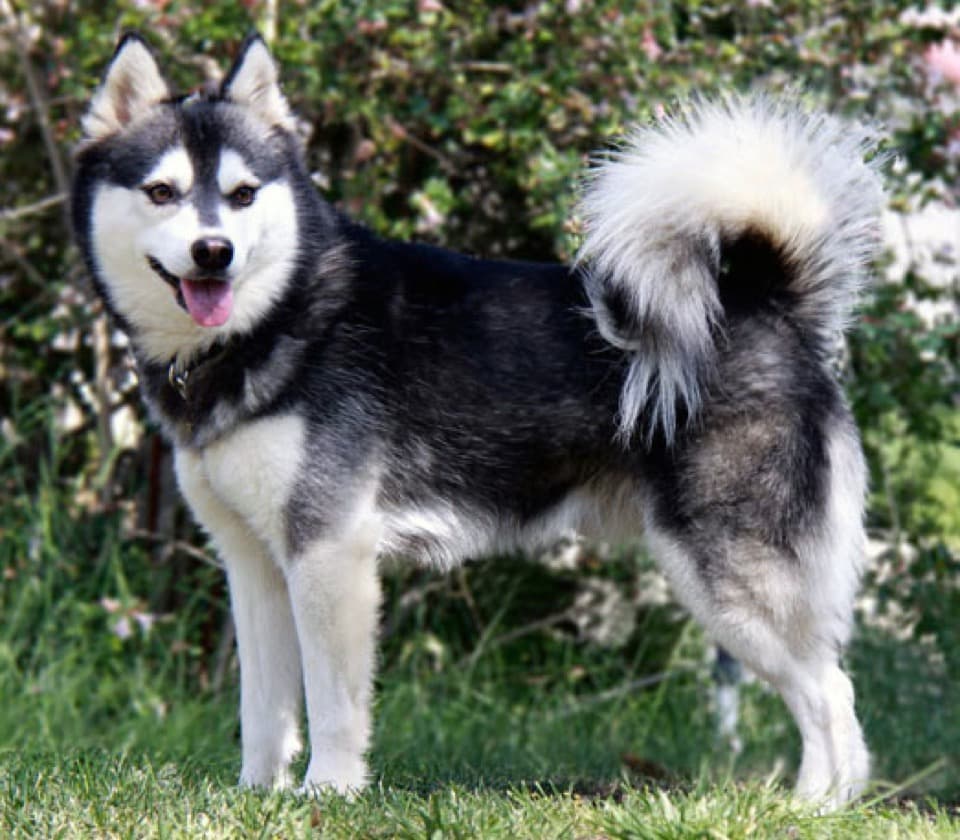
Alaskan Klee Kai
Also known as Klee Kai · Miniature Alaskan Husky
United States, Spitz and northern dogs
- Size
- Small
- Height
- 33–43 cm
- Weight
- 4–10 kg
- Life expectancy
- 13–16 yrs
- Curious
- Reserved
- Vocal
- Agile
Heights and weights are typical adult ranges; individual dogs vary.
About the Alaskan Klee Kai
The Alaskan Klee Kai is a small spitz-type dog that looks like a scaled-down husky, with a mask-like face and curled tail. It comes in toy, miniature and standard sizes. Despite its husky looks, it is a separate breed with its own character.
Temperament
Klee Kai are bright, curious and very attached to their families, but are often reserved or wary with strangers. Without good socialisation that caution can turn into fearfulness. They are also known for chatty yodelling and howling.
Exercise
Expect to give around an hour of activity a day, mixing walks with play and brain games. They are agile and can be escape artists.
Grooming
The double coat sheds steadily and heavily twice a year, when daily brushing helps. They tend to keep themselves clean and have little doggy odour.
Care & wellbeing
Gentle introductions to many people, places and sounds during puppyhood make a big difference to adult confidence. Small pets may trigger their prey drive. The breed has a DNA test for factor VII deficiency, a clotting disorder, so ask about it; unusual bleeding or bruising needs a vet promptly.
Daily needs at a glance
For a typical 7 kg adult- Water
- 280 ml–420 ml
- a day
- Energy
- ≈ 480 kcal
- a day, neutered adult
- Exercise
- 90–120 min
- a day
- Grooming
- Brushing a few times a week
Starting points from the same formulas as our calculators. Your pet's age, weight, activity and food all change the numbers. Work it out for your pet
Living with a Alaskan Klee Kai
Typical tendencies for the breed. Upbringing, training and the individual matter as much.
History
The breed was developed in Alaska from the 1970s by a breeder who wanted a companion-sized dog with the look of a husky. Small Alaskan Huskies were combined with Siberian Husky, Schipperke and American Eskimo Dog to reduce size. The breed was kept within a small, controlled breeding network for some years before being opened up more widely. The UKC recognised it in 1997.
Health
The breed can be prone to
- Factor VII deficiency
- Patellar luxation
- Juvenile cataracts
- Heart conditions
- Portosystemic (liver) shunt
Health tests to ask a breeder about
- Factor VII deficiency DNA test
- Patella check
- Eye examination
- Heart examination
Not every Alaskan Klee Kai is affected, and this isn't a diagnosis. Read about common conditions and when to see a vet.
Cost to keep
Lower than average- Smaller food bills and medicine doses
- Little or no professional grooming needed
- A 13–16 year commitment
- Budget for breed-related health checks or insurance
A relative guide, not a price — costs vary a lot by country, insurer and lifestyle.
Is a Alaskan Klee Kai right for you?
Could suit
- Active owners who enjoy long walks, running or hiking
- First-time owners prepared to train consistently
- Smaller homes, as long as daily exercise needs are met
- Owners ready for a long commitment — often well into their teens
Think twice if
- You can't give well over an hour of exercise a day, every day
Not sure? Try the breed finder or read choosing the right dog breed.
Common questions
How big does a Alaskan Klee Kai get?
Adult Alaskan Klee Kais typically stand about 33–43 cm at the shoulder and weigh around 4–10 kg. Individuals vary, and males are often larger than females.
How long do Alaskan Klee Kais live?
Typically 13–16 years. Keeping them lean, active and up to date with vet checks gives the best chance of a long, healthy life.
How much exercise does a Alaskan Klee Kai need?
As a guide, around 90–120 minutes a day, split between walks, play and sniffing time. Puppies and older dogs need shorter, gentler sessions.
How much grooming does a Alaskan Klee Kai need?
Brushing a few times a week. Check ears, teeth and nails as part of the routine.
Are Alaskan Klee Kais easy to train?
Usually quick to learn with reward-based training.
Do Alaskan Klee Kais shed?
Quite a lot. Regular brushing keeps loose hair under control — expect more around spring and autumn.
Are Alaskan Klee Kais good with children?
Many get on well with children. Always supervise young children with any dog, and teach them to give the dog space.
Can a Alaskan Klee Kai live in a flat?
It can work — as long as they get enough daily exercise and time outdoors.
What health problems do Alaskan Klee Kais have?
The breed can be prone to factor vii deficiency, patellar luxation, juvenile cataracts. Not every Alaskan Klee Kai is affected — ask a breeder about health testing, and your vet about what to watch for.
Written by Petopedia as general guidance, not veterinary advice. Ask your vet about health screening for this breed.
Breed details
- Country of origin
- United States
- Type
- Spitz and northern dogs
- Recognition
- Recognised by the UKC; not recognised by the FCI, AKC or The Kennel Club