Hip Dysplasia in Dogs: Signs, Treatment and Outlook
In short
Hip dysplasia means the ball and socket of the hip don't fit together snugly as a puppy grows, so the joint is loose and wears unevenly. It often leads to arthritis. It can't be undone, but weight control, the right exercise, pain relief and, for some dogs, surgery can keep most affected dogs active and comfortable.
At a glance
| What it is | An abnormally formed, loose hip joint that develops during growth and tends to lead to arthritis |
| Who's at risk | Mainly medium, large and giant breeds; it runs in families, and rapid growth and excess weight make it worse |
| Main signs | Stiffness after rest, a swaying or "bunny-hopping" gait, reluctance to climb stairs or jump, tiring quickly on walks |
| Contagious? | No |
| Can it be prevented? | Not entirely, but choosing puppies from health-screened parents and keeping growing dogs lean lowers the risk |
What it is
The hip is a ball-and-socket joint. The rounded head of the thigh bone (femur) should sit deep and snug in a cup-shaped socket in the pelvis, held steady by strong ligaments and muscles. In a dog with hip dysplasia, the two parts don't develop to fit each other properly. The socket may be shallow, the ball may be misshapen, and the whole joint is looser than it should be.
Puppies are born with hips that look normal. The problem develops as they grow, usually during the first year or so of life. Each time a loose hip moves, the ball slides and knocks against the rim of the socket instead of rolling smoothly inside it. Over time this uneven wear damages the cartilage and inflames the joint, and the body responds by laying down extra bone. In other words, hip dysplasia is one of the most common routes to arthritis in dogs.
Genes play the biggest part, which is why the condition runs in families and is far more common in some breeds. But environment matters too. Growing too fast, carrying extra weight as a puppy and certain kinds of strenuous exercise during growth can all make a dog with susceptible hips more likely to develop problems, or develop them more severely.
Hip dysplasia usually affects both hips, though one may be worse than the other. How much it bothers a dog varies enormously. Some dogs with poor-looking X-rays seem to cope well for years, while others with milder changes are clearly sore.
Signs to watch for
Signs can appear in two quite different stages of life. Some young dogs, often between a few months and about a year old, show discomfort while the joint is loose and unstable. Others seem fine as youngsters and only show signs later, once arthritis has built up.
Look out for:
- Stiffness or slowness getting up after lying down, which eases as they warm up
- A swaying, waddling walk, or a narrow stance through the back legs
- "Bunny hopping" — moving both back legs together when running
- Reluctance to climb stairs, jump into the car or onto furniture
- Sitting in a lopsided way, or lying down rather than standing when they stop
- Tiring quickly on walks, or lagging behind
- A clicking sound from the hips when moving
- Less muscle over the hindquarters, sometimes with more muscle building up at the shoulders as the dog shifts weight forwards
- Grumpiness or flinching when the back end is touched
Because dogs are good at hiding pain, many owners put these changes down to a lazy temperament or just "getting older". A dog that is slowing down deserves a check-up rather than an assumption.
When to see a vet
Book an appointment if your dog is stiff, limping, struggling with stairs or jumps, or moving differently with their back legs. For puppies of at-risk breeds, mention any odd gait or reluctance to play at their routine visits, as early assessment opens up more treatment options.
Contact your vet promptly if your dog:
- Suddenly can't put weight on a back leg, or cries out when moving
- Seems in obvious pain, is panting or restless and can't settle
- Becomes weak or wobbly in the back legs, drags their feet or loses control of their bladder or bowels — these signs suggest a problem in the spine or nerves rather than the hips, and need urgent attention
Our guide to dog limping can help you judge how quickly to act.
How vets diagnose it
Your vet will start by watching your dog walk and trot, then examine the hips and other joints, feeling for pain, a reduced range of movement, muscle loss and looseness. Some looseness tests are best done with the dog relaxed under sedation.
X-rays are the main way to confirm hip dysplasia and see how severe it is. These are usually taken under sedation or anaesthetic so the dog can be positioned correctly. Your vet will look at how well the ball sits in the socket, the shape of both, and any signs of arthritis. Other conditions can cause similar signs, including knee ligament injuries and spinal problems, so the examination also aims to rule these out.
Many countries run official hip scoring schemes in which X-rays are assessed by specialists to give a grade. These are mainly used to guide breeding decisions.
Treatment and management
The right plan depends on your dog's age, size, how much pain they're in and how far the joint has changed. Your vet may recommend one or more of the following.
Conservative (non-surgical) care works well for many dogs:
- Weight control. Keeping your dog lean is the single most useful thing you can do. Every extra kilo is carried by sore hips.
- Regular, controlled exercise. Several shorter lead walks are kinder than one long, bouncy outing. Steady movement keeps muscles strong, and strong muscles help support a loose joint.
- Physiotherapy and hydrotherapy. Swimming or walking on an underwater treadmill builds muscle without heavy strain on the joints.
- Pain relief. Anti-inflammatory pain relief prescribed by your vet, sometimes alongside other types of pain medication. Never give human painkillers — some are dangerous for dogs.
- Joint supplements and diets. Some owners and vets find these helpful, although the evidence varies; ask your vet before starting.
Surgery may be suggested in some cases:
- In very young puppies, a minor procedure can alter how the pelvis grows to improve hip cover, but it must be done early to be useful.
- In young dogs without significant arthritis, the pelvis can be cut and repositioned so the socket covers the ball better.
- In dogs with established arthritis, a total hip replacement can give a pain-free joint and is often very successful, though it is a major operation usually carried out by a specialist.
- Removing the ball of the femur so that a "false joint" of scar tissue forms is another option, often for smaller dogs or when replacement isn't possible.
Your vet can explain which options suit your dog and what recovery involves.
Living with it
Many dogs with hip dysplasia live full, happy lives. Day to day, a few simple adjustments help:
- Lay rugs or non-slip mats on smooth floors, so back legs don't splay.
- Use a ramp for the car rather than lifting or letting your dog leap.
- Provide a thick, supportive bed away from draughts.
- Keep exercise consistent from day to day — a quiet week followed by a hectic weekend is harder on the joints than steady routine.
- Avoid repeated ball-chasing with sudden stops and twists.
Check your dog's shape regularly. Our healthy weight guide and the pet calculators can help you keep track. As your dog ages, arthritis in the hips may progress, so regular reviews with your vet allow pain relief and exercise to be adjusted.
Prevention
You can't change your dog's genes once they're born, but you can stack the odds in their favour:
- Choose a puppy carefully. For breeds at risk, ask whether both parents have been hip scored and what their results were. Screening doesn't guarantee healthy hips, but it reduces the risk.
- Feed for steady growth. Large and giant breed puppies do best on a diet designed for their size, fed in measured amounts so they grow at a steady rate rather than as fast as possible. Avoid adding extra calcium or supplements unless your vet advises it.
- Keep puppies lean. A chubby puppy is putting extra load on developing joints.
- Be sensible with exercise during growth. Free play on soft ground is good; repetitive jumping, long runs on hard surfaces and lots of stairs are best avoided while bones are still growing. Your vet can advise for your breed.
Breeds more at risk
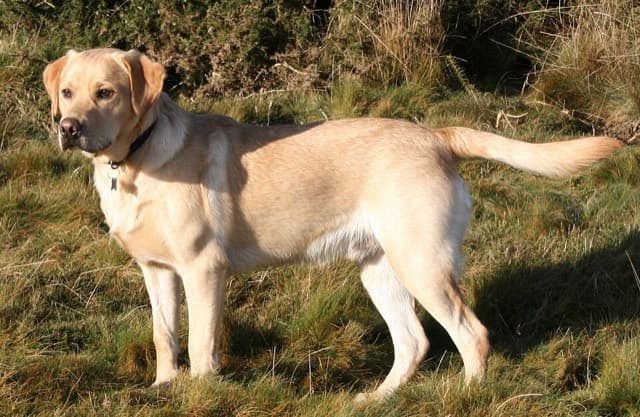
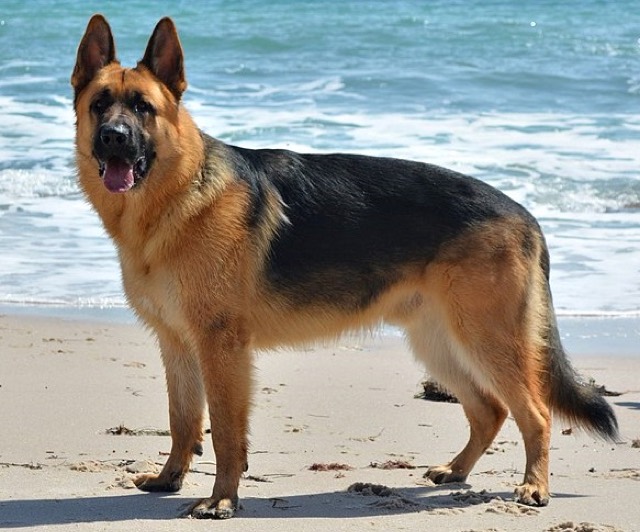
Hip dysplasia can occur in any dog, including crossbreeds and smaller breeds, but it is seen most often in larger dogs. Breeds well known to be affected include the German shepherd, Labrador retriever, golden retriever, Rottweiler, Bernese mountain dog, Newfoundland, St Bernard and bulldog breeds. You can read more about individual breeds on our dog breeds pages.
Written by the Petopedia editorial team to our editorial standards. This is general information, not veterinary advice — if you're worried about your pet, contact your vet.