Epilepsy in Dogs: Seizures, Diagnosis and Treatment
In short
Epilepsy means a dog has repeated seizures caused by a problem in the brain. Often no underlying cause is found, which vets call idiopathic epilepsy. It can't usually be cured, but many dogs have their seizures reduced to a manageable level with daily medication. **A seizure lasting more than five minutes, or several seizures close together, is an emergency.**
At a glance
| What it is | A brain disorder causing repeated seizures, either with no identifiable cause or as a result of brain disease |
| Who's at risk | Any dog; idiopathic epilepsy usually starts between about six months and six years and runs in some breeds |
| Main signs | Episodes of collapse, paddling legs, jaw chomping, drooling or loss of bladder control, or smaller focal twitches |
| Contagious? | No |
| Can it be prevented? | No, but responsible breeding can reduce inherited cases and good management reduces seizure frequency |
What it is
A seizure (sometimes called a fit or convulsion) is a burst of abnormal electrical activity in the brain. It temporarily disrupts normal function and can affect movement, awareness and behaviour.
A single seizure doesn't necessarily mean a dog has epilepsy. Seizures can be triggered by problems outside the brain, such as low blood sugar, liver disease or poisoning — for example from xylitol, some human medicines or certain plants. Our toxic foods list covers common dietary dangers.
Epilepsy is diagnosed when a dog has had two or more seizures at least a day apart, caused by a problem within the brain. Vets broadly divide it into:
- Idiopathic epilepsy, the most common type, where no structural brain abnormality is found. It is thought to be largely genetic in many cases.
- Structural epilepsy, caused by an identifiable problem in the brain such as inflammation, a tumour, a malformation or scarring after injury. It becomes more likely when seizures start in older dogs or very young puppies, or when the dog shows other neurological signs between seizures.
Signs to watch for
Seizures can look very different from dog to dog.
Generalised seizures affect the whole body. The dog usually:
- Falls onto their side and stiffens
- Paddles or jerks their legs
- Chomps their jaw or drools heavily
- May lose control of their bladder or bowels
- Is unaware of their surroundings and doesn't respond to their name
Focal seizures affect only part of the body or brain. Signs might include twitching of one side of the face, rhythmic movement of one leg, repeated blinking, or odd behaviours such as fly-snapping or staring. The dog may remain partly aware. Focal seizures can spread into a generalised seizure.
Many dogs go through recognisable stages:
- Before the seizure, some dogs seem restless, clingy, anxious or hide, sometimes for minutes or hours.
- During the seizure, which typically lasts from seconds to a couple of minutes.
- After the seizure, dogs are often disoriented, wobbly, temporarily blind, very hungry or thirsty, or restless. This recovery phase can last from minutes to a day or so.
Fainting caused by heart problems, episodes of severe pain and some movement disorders can look like seizures. Filming an episode on your phone is extremely helpful for your vet.
When to see a vet
Contact your vet after any first seizure, even if your dog seems back to normal. They will advise how soon your dog should be seen.
Treat as an emergency and get to a vet immediately if:
- A seizure lasts longer than five minutes
- Your dog has more than one seizure within 24 hours (cluster seizures)
- Your dog doesn't recover fully between seizures
- The seizure followed possible poisoning or a head injury
- Your dog has difficulty breathing, or very high body temperature after a seizure
- Your dog is pregnant, diabetic, or a young puppy
During a seizure, keep calm and keep yourself safe. Move furniture or hazards away, dim the lights, reduce noise and time the episode. Don't put your hand in or near your dog's mouth — dogs can't swallow their tongue, and you could be bitten. Our article on what to do when your dog has a seizure goes through this step by step.
How vets diagnose it
There is no single test for idiopathic epilepsy. Instead, vets rule out other causes.
- History and video. Your description and footage help confirm a seizure and its type.
- Examination. A full physical and neurological examination looks for signs of wider illness or brain disease.
- Blood and urine tests check blood sugar, liver and kidney function, salts and other possible triggers.
- Further tests. Where structural epilepsy is suspected, or if seizures are hard to control, an MRI scan of the brain and analysis of the fluid around the brain and spinal cord may be recommended, usually at a referral centre.
If all tests are normal in a dog of the typical age with no other neurological signs, idiopathic epilepsy is the likely diagnosis.
Treatment and management
Not every dog with a seizure needs medication straight away. Your vet will usually recommend starting treatment if your dog has had two or more seizures within a few months, any cluster seizures or prolonged seizure, severe after-effects, or a structural cause.
- Daily anti-seizure medication. Several medicines are available, and some dogs need more than one. They are given at regular times every day, usually for life. The aim is to reduce how often and how severely seizures happen — total freedom from seizures is wonderful when it happens, but isn't always realistic.
- Monitoring. Blood tests check medication levels and the effect on organs such as the liver. Doses are adjusted to balance seizure control against side effects such as sleepiness or wobbliness, which often lessen after the first weeks.
- Emergency medication at home. Your vet may prescribe a medicine you can give during a prolonged or cluster seizure, with clear instructions about when to use it.
- Treating underlying causes in structural epilepsy, where possible.
- Diet. Some specially formulated diets may help reduce seizures in some dogs alongside medication; ask your vet.
Never stop or change anti-seizure medication suddenly, as this can trigger severe seizures.
Living with it
- Keep a seizure diary recording date, time, length, what the seizure looked like and anything unusual beforehand. This is the most valuable tool for your vet to judge how treatment is going.
- Give medicines on time, every time. Set phone reminders and keep spare supplies.
- Keep routines regular — some dogs seem to have seizures more often with disrupted sleep, stress or missed meals.
- Block access to stairs, pools and ponds when your dog is unsupervised.
- Make sure anyone caring for your dog, such as a sitter or kennel, knows what to do and has the emergency plan.
- Be gentle with yourself; watching a seizure is distressing, and support from your vet team helps.
Many dogs with well-controlled epilepsy live long, happy lives.
Prevention
Idiopathic epilepsy can't be prevented in an individual dog. Because it often runs in families, dogs with epilepsy shouldn't be bred from, and some breed clubs keep records to help breeders. Preventing access to toxins and keeping medicines and xylitol-containing products out of reach helps avoid seizures from poisoning.
Breeds more at risk
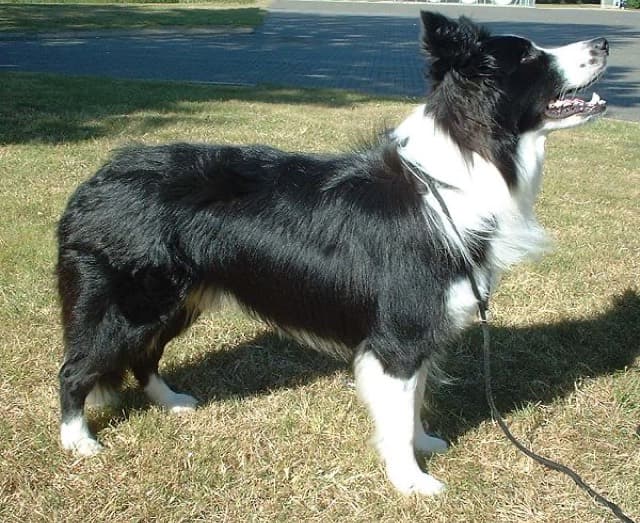
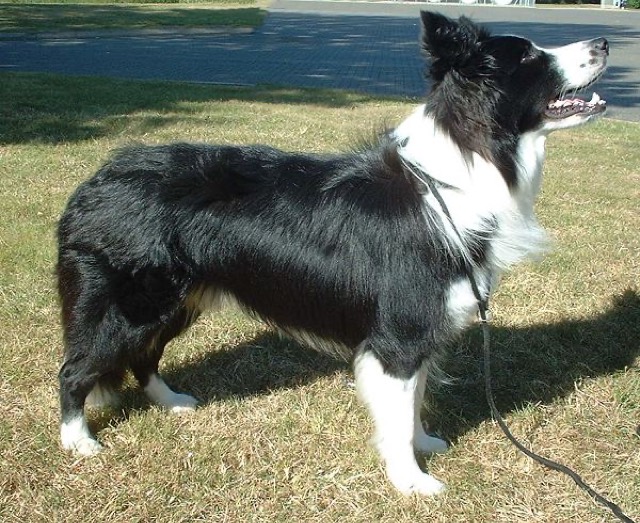
Idiopathic epilepsy can affect any breed or crossbreed, but it is more common in several breeds, including the Border collie, Australian shepherd, Labrador and golden retrievers, German shepherd, beagle, Belgian shepherd, Border terrier and Italian spinone.
Written by the Petopedia editorial team to our editorial standards. This is general information, not veterinary advice — if you're worried about your pet, contact your vet.