Why Is My Dog Shedding So Much?
In short
All dogs with fur shed to some degree, and many double-coated breeds shed heavily twice a year as their coat changes with the seasons. Shedding that leaves bald patches, comes with itching, red or flaky skin, a bad smell or a dull, thin coat, or happens alongside weight change or tiredness, should be checked by your vet.
When to see your vet
Book an appointment if you notice:
- Bald patches, or areas where the coat is thinning
- Itching, scratching, licking or chewing at the skin
- Red, scaly, greasy, crusty or smelly skin
- Sores, scabs, spots or lumps
- A dull, dry or brittle coat that doesn't improve with grooming
- Shedding together with other changes, such as weight gain or loss, drinking more, tiredness or feeling the cold
- Hair loss that is symmetrical on both sides of the body
- Sudden heavy shedding with no obvious reason, outside your dog's usual seasonal pattern
Normal shedding
Hair grows in cycles. Each hair grows, rests and eventually falls out to make way for a new one. In dogs, this means a steady loss of hair throughout the year, with heavier shedding at certain times.
How much a dog sheds depends largely on their coat type:
| Coat type | Example breeds | Typical shedding |
|---|---|---|
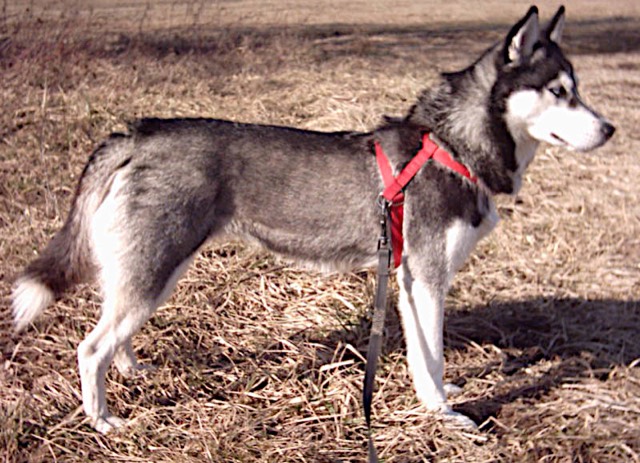
| Double coat (dense undercoat) | Siberian Husky, German Shepherd Dog, Labrador Retriever, Samoyed | Moderate year-round, very heavy in spring and autumn |
| Smooth single coat | Boxer, Whippet, Dachshund (smooth) | Small amounts year-round, short hairs get everywhere |
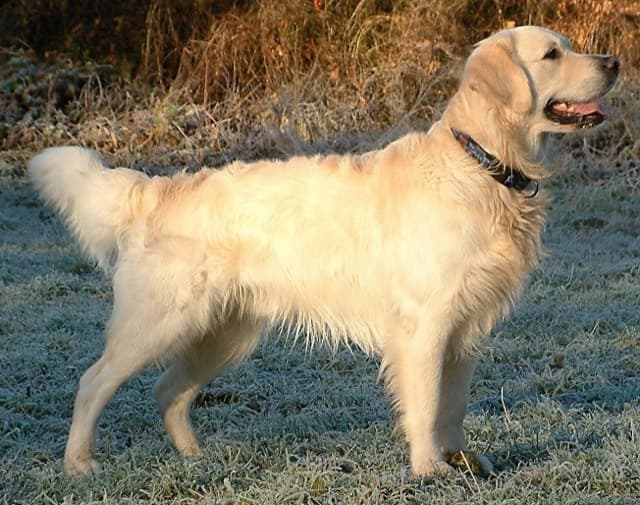
| Long, silky coat | Cavalier King Charles Spaniel, Golden Retriever | Moderate, with tangles if not brushed |
| Continuously growing coat | Poodle, Bichon Frise, Shih Tzu | Little visible shedding; loose hair is trapped in the coat and needs regular grooming and clipping |
| Wiry coat | Many terriers | Low to moderate, especially if hand-stripped |
No dog is completely non-shedding. Breeds described as "hypoallergenic" may shed less visible hair, but they still produce allergens. You can explore coat types in our dog breed guide.
"Blowing coat": seasonal shedding
Double-coated breeds often shed their undercoat in large quantities, usually in spring and again in autumn. This is sometimes called "blowing coat". You may see tufts of soft, fluffy hair coming away in clumps, and brushing may produce enough fur to fill a bin bag. It can last a few weeks.
Dogs who live mostly indoors with central heating and artificial lighting may shed more steadily throughout the year rather than in two clear seasons.
Other reasons for extra shedding
Shedding can increase for several reasons that aren't necessarily a problem:
- After giving birth or a season. Hormonal changes can cause a female dog to shed heavily.
- Stress. Many dogs shed more at the vet, in the car or during stressful times.
- Age. Puppies lose their puppy coat as their adult coat comes in.
- Diet. Dogs fed a diet that doesn't meet their needs may develop a poor coat. A complete, balanced diet usually supports healthy skin and fur.
Health problems that can cause hair loss
Some medical conditions cause excessive shedding or hair loss. These include:
- Parasites. Fleas, mites and lice can cause itching and hair loss. See fleas, ticks and worms.
- Allergies. Environmental or food allergies lead to itching and scratching, which damages the coat. See why is my dog scratching so much.
- Skin infections, bacterial or fungal, including ringworm, which can spread to people.
- Hormonal conditions, such as an underactive thyroid or an overactive adrenal gland, which often cause thinning fur on both sides of the body rather than itching.
- Pressure points. Bald, thickened skin on elbows in larger dogs.
Your vet may examine the skin, take samples of hair or skin, or suggest blood tests depending on what they find.
How to manage heavy shedding
- Brush regularly. Brushing removes loose hair before it lands on your sofa. Daily brushing during a coat blow can make a big difference. Our guide to grooming basics covers brushing for different coats.
- Use the right tools. An undercoat rake or slicker brush suits double coats, while a rubber mitt or soft bristle brush works well on short, smooth coats. Ask a groomer for advice if you are unsure.
- Don't shave double coats unless your vet advises it for a medical reason. The undercoat helps regulate temperature, and it may grow back patchy or with a changed texture.
- Bathe occasionally. A bath with a dog shampoo during a coat blow can help loosen dead undercoat. Make sure your dog is rinsed and dried thoroughly. Too-frequent bathing can dry the skin.
- Feed a complete diet. Talk to your vet before adding supplements.
- Keep up with parasite prevention.
- Check the skin as you groom. Brushing is a good chance to spot lumps, sore patches and parasites early.
Know your dog's normal
Learning your dog's shedding pattern, when their coat tends to blow and how much fur is usual, makes it easier to spot when something is different. A simple monthly note on how their coat looks, alongside their weight and appetite, can reveal slow changes such as gradual thinning or weight gain. Petopedia lets you log food, water, weight and behaviour over time, which is helpful if you ever need to show your vet when changes in the coat began.
Written by the Petopedia editorial team to our editorial standards. This is general information, not veterinary advice — if you're worried about your pet, contact your vet.