Dog Sneezing: Common Causes and When to Worry
In short
An occasional sneeze is normal for dogs, and some sneeze when they're excited or playing. Sneezing becomes a concern when it starts suddenly and violently (especially after a walk through long grass), keeps going for more than a day or two, or comes with a nosebleed, thick or one-sided discharge, pawing at the face or facial swelling. Those signs need a vet.
When to call your vet
Contact your vet the same day if your dog:
- Starts sneezing suddenly and repeatedly, especially after a walk, and keeps pawing at their nose or rubbing their face
- Has a nosebleed, or blood in the nasal discharge
- Has thick, yellow or green discharge, or discharge from only one nostril
- Has swelling on the face or over the nose
- Is sneezing and also seems lethargic, off their food or has a fever
- Is coughing as well, or breathing noisily or with effort
Go to a vet immediately if your dog is struggling to breathe, has blue or pale gums, or has a nosebleed that won't stop.
Book an appointment if mild sneezing has gone on for more than a few days, or keeps returning.
Normal sneezing
Dogs sneeze for the same basic reason we do: to clear irritants from the nose. A sniff of dust, pollen or a strong smell can easily set off a sneeze or two.
Many dogs also do "play sneezes" when excited, greeting someone or during a game. These are usually short, soft snorts, with the dog clearly relaxed and happy. They seem to be a form of communication rather than a sign of irritation.
Reverse sneezing: alarming but usually harmless
Reverse sneezing often frightens owners the first time they see it. The dog stands still, extends their neck and makes loud, rapid snorting or honking sounds as they pull air in through the nose. It can look as though they are choking or can't breathe.
Episodes usually last from a few seconds to around a minute and stop on their own, after which the dog carries on as normal. Reverse sneezing is thought to be a reaction to irritation at the back of the nose or throat, and it seems especially common in small breeds and flat-faced dogs.
Calmly stroking your dog's throat or encouraging them to swallow may help an episode pass. Try to film it on your phone, as it is very helpful for your vet to see. Speak to your vet if episodes become frequent, longer, or change in character, or if you're not sure it is reverse sneezing.
Common causes of sneezing
| What you notice | Possible causes |
|---|---|
| A sneeze or two, then fine | Dust, pollen, strong smells |
| Short snorts during play | Play sneezing |
| Loud snorting while breathing in | Reverse sneezing |
| Sudden, violent sneezing after a walk, pawing at nose | Grass seed or other foreign body |
| Sneezing with coughing, mild discharge | Respiratory infection |
| Seasonal sneezing with itchy skin or eyes | Allergies |
| Sneezing with bad breath, one-sided discharge | Dental disease affecting the nose |
| Ongoing sneezing, nosebleed, older dog | Growth in the nose, fungal infection |
These are possibilities only, and only your vet can find the cause.
Grass seeds and foreign bodies
During late spring and summer, grass awns are a common cause of sudden, violent sneezing in dogs. These pointed seed heads can be inhaled while sniffing and lodge in the nasal passages. A dog with a grass seed in their nose often sneezes hard and repeatedly, paws at their face and sometimes has a nosebleed from one nostril. Seeds don't usually come out on their own and can move deeper, so it's important to see your vet promptly. Your dog may need to be sedated or anaesthetised so the vet can look inside the nose and remove it.
Infections
Respiratory infections, including the group of infections known as kennel cough, can cause sneezing as well as coughing and nasal discharge. Our article on dog coughing covers coughs in more detail.
Allergies
Some dogs sneeze when exposed to pollens, dust mites or moulds. In dogs, allergies more commonly show up as itchy skin, ears and paws than as sneezing alone.
Dental disease
The roots of some upper teeth sit very close to the nasal passages. An infected tooth root can cause sneezing and nasal discharge, often from one side, along with bad breath. See dental disease in dogs and cats.
Nasal mites, fungal infections and growths
Less common causes include nasal mites, fungal infections and growths inside the nose. Growths are more likely in older dogs and may cause long-term sneezing, one-sided discharge, nosebleeds or facial swelling. These need investigation by your vet.
Flat-faced breeds
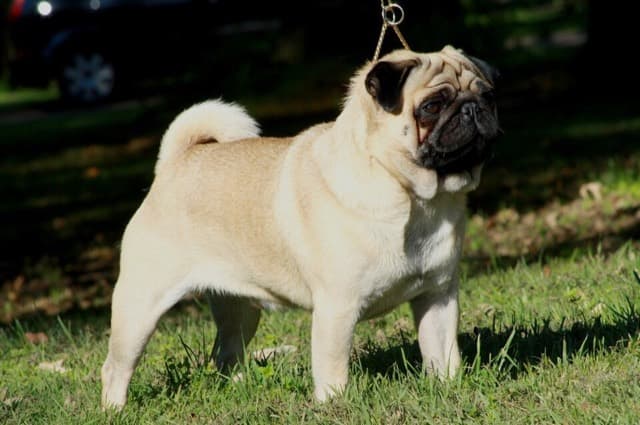
Dogs with short muzzles, such as Pugs, French Bulldogs and Bulldogs, have narrower nasal passages and often snort, snore and reverse sneeze. While some noisy breathing is common in these breeds, it shouldn't be dismissed as normal if it is getting worse, your dog tires quickly, or struggles in warm weather. Mention it to your vet.
What to do if your dog is sneezing
- Watch for a pattern. When does it happen? After walks, indoors, at certain times of year?
- Check the nose and face. Look for discharge, blood, swelling or anything visible at the nostril. Don't poke anything into the nose.
- Film the sneezing. Especially for reverse sneezing or episodes that come and go.
- Reduce irritants. Avoid smoking, aerosols, strong cleaning products and scented sprays around your dog.
- Don't try to remove anything from the nose yourself. Even if you can see a grass seed, pulling it can break it and leave part behind.
- Don't give human cold or allergy medicines. Some contain ingredients that are toxic to dogs.
- Call your vet if any of the warning signs above apply.
Keep a record
A dog who sneezes a lot in June but not in December, or only after walks across a certain field, is giving you useful clues. Jotting down sneezing episodes with the date, where you'd been and any discharge or bleeding makes those patterns easier to see. Petopedia lets you log food, water, weight and behaviour alongside notes like these, so you can give your vet a clear, accurate history.
Written by the Petopedia editorial team to our editorial standards. This is general information, not veterinary advice — if you're worried about your pet, contact your vet.