Why Is My Dog Shaking Their Head? Ear Problems Explained
In short
An occasional shake is normal, but repeated head shaking, ear scratching, smell, redness or discharge usually mean something is bothering your dog's ear. The cause can only be found by a vet looking inside the ear, so book an appointment rather than treating at home. A sudden head tilt with loss of balance is urgent and needs a vet straight away.
Call your vet now if
- Your dog suddenly develops a head tilt, especially with stumbling, circling or falling over
- Their eyes are flicking from side to side, or they seem dizzy or sick
- They started shaking their head violently after a walk through long grass, which may mean a grass seed
- The ear is very painful, and your dog cries or snaps when it is touched
- The ear flap has suddenly swollen up like a soft cushion
- There is bleeding from the ear, or a discharge with a strong smell
- Your dog seems to have lost hearing suddenly or seems generally unwell
When head shaking is normal
Dogs shake their heads for lots of ordinary reasons. They might shake after a swim, after waking up, or to shift a bit of dust or water. An occasional shake, with no other signs, is nothing to worry about.
What is worth paying attention to is a change: head shaking that happens again and again, scratching at one or both ears, rubbing the head along the floor or furniture, or holding one ear differently from the other.
Signs of an ear problem
Look out for:
- Frequent head shaking
- Scratching or pawing at the ears
- A smell coming from the ear, which may be yeasty, sour or unpleasant
- Redness or swelling inside the ear flap or at the opening of the ear canal
- Discharge, which may be brown, black, yellow or waxy
- Head tilt, holding the head to one side
- Pain when the ear or head is touched
- Changes in behaviour, such as being quieter, irritable or reluctant to be stroked around the head
Possible causes
There are several possible reasons for ear trouble in dogs. Some of the more common include:
- Ear infections. These can be caused by bacteria or yeast and often lead to smell, redness and discharge. Infections are frequently linked to an underlying cause.
- Something in the ear. Grass seeds are a classic example, especially in late spring and summer. Their shape means they can work their way deeper into the ear canal, causing sudden, intense head shaking.
- Ear mites. These tiny parasites are more common in puppies and can be passed between pets. They often cause intense itching and a dark discharge.
- Allergies. Dogs with allergies to food or things in the environment often get recurring ear problems, sometimes alongside itchy paws or skin. Our article on why your dog might be scratching so much covers this in more detail.
- Moisture. Water trapped in the ear after swimming or bathing can create a warm, damp environment where problems develop.
Many of these look very similar from the outside. That is why a vet needs to look inside the ear canal with an instrument called an otoscope, and may take a small swab to look at under a microscope. This helps them understand what is going on and choose the right treatment. Using the wrong product, or putting drops into an ear with a damaged eardrum, can make things worse.
Head tilt and loss of balance
The ear is involved in balance as well as hearing. A sudden head tilt, especially with stumbling, circling, falling over, flicking eye movements or vomiting, can be a sign of a problem affecting the inner ear or the balance system. These signs can also have causes that are not related to the ear.
Whatever the cause, this needs to be seen by a vet urgently. Keep your dog somewhere safe and quiet, away from stairs, and contact your vet or an out-of-hours service straight away.
Swelling of the ear flap
Sometimes repeated head shaking causes a blood vessel in the ear flap to burst, leading to a soft, puffy swelling filled with blood. This is called an aural haematoma. It is not usually an emergency in itself, but it is uncomfortable, often needs treatment, and usually means there is an ear problem causing the shaking. Book an appointment promptly.
What not to do
It is natural to want to help, but some home remedies can cause harm:
- Don't push cotton buds deep into the ear. A dog's ear canal bends downwards and then inwards, and pushing anything into it can pack debris further in or damage the eardrum.
- Don't try to remove a grass seed yourself. Even if you can see it, it can break or be pushed deeper.
- Don't use old ear drops from a previous problem or another pet. The cause may be different this time.
- Don't put household products such as oils, vinegar or hydrogen peroxide into your dog's ears.
If your dog's ear is sore, the kindest thing is to stop them scratching it if you can and get them seen.
Breeds and lifestyles more at risk
Any dog can get ear problems, but some are more prone:
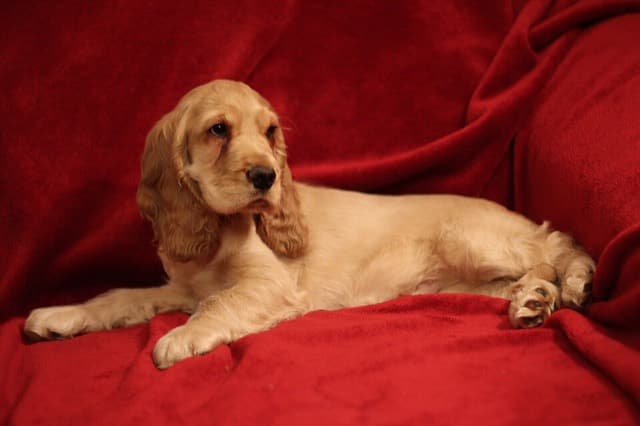
- Drop-eared breeds, such as Spaniels, Basset Hounds, Retrievers and Beagles, have ear flaps that cover the ear canal. This can keep the ear warm and moist.
- Dogs with hairy ear canals, such as Poodles and some Terriers, may trap more wax and debris.
- Dogs that love swimming can be more likely to get ear problems because of moisture left in the ear.
- Dogs with allergies often have repeated ear trouble.
If your dog fits one of these groups, ask your vet whether routine ear cleaning would help, and how to do it safely. They can recommend a suitable cleaner and show you the right technique. There are more tips in our grooming basics guide.
Checking your dog's ears at home
A quick weekly look can help you spot changes early:
- Gently lift the ear flap and look inside, in good light.
- A healthy ear is usually pale pink, with little or no wax and no strong smell.
- Note any redness, swelling, dark or yellow discharge, or a new smell.
- Compare both ears, as a difference between the two can be a useful clue.
- Reward your dog so that ear checks stay a calm, pleasant experience.
Only clean the parts of the ear you can see, using a soft cloth or cotton wool, and leave the canal itself to your vet unless they have shown you how.
The takeaway
Head shaking is one of the clearest signs that your dog's ears are bothering them. The cause can range from a simple infection to a grass seed or an allergy, and only a vet looking inside the ear can tell which. Avoid poking or treating the ear yourself, and book a check. If your dog suddenly develops a head tilt and loses their balance, treat it as urgent. For more help judging urgency, see signs your pet needs a vet.
Written by the Petopedia editorial team to our editorial standards. This is general information, not veterinary advice — if you're worried about your pet, contact your vet.