Dog Eye Discharge: What's Normal and What Isn't
In short
A small amount of clear or slightly crusty "sleep" in the corners of your dog's eyes is usually normal. Coloured discharge, redness, squinting, pawing at the eye or any cloudiness are signs to get checked. Eye problems can get worse quickly, so a painful, red or cloudy eye needs a vet the same day.
Call your vet now if
- Your dog is squinting, holding an eye closed or blinking a lot
- The eye looks red, swollen or bloodshot
- The surface of the eye looks cloudy, blue, grey or hazy
- They are pawing at or rubbing their eye on the floor or furniture
- The discharge is yellow, green or thick, or there is a lot of it
- The eye looks different in size or position, or appears to be bulging
- There has been an injury, such as a scratch from a cat, a thorn or a stick
- Your dog seems to have trouble seeing, such as bumping into things
What normal eye "sleep" looks like
Like people, dogs produce tears all the time to keep their eyes moist and clean. Tears drain away through small ducts at the inner corner of each eye. A little of this fluid, along with dust and debris, can collect in the corners, particularly overnight.
Normal eye sleep is usually:
- A small amount, found in the inner corners of the eyes
- Clear, or a light brown or rusty colour once dried
- Slightly crusty or gooey first thing in the morning
- Easy to wipe away, with no redness or discomfort
Some dogs, especially those with light-coloured fur, develop reddish-brown tear staining below the eyes. This is often cosmetic, but if it appears suddenly or gets much worse, it is worth mentioning to your vet.
Discharge that isn't normal
Signs that something more may be going on include:
- Coloured discharge. Yellow or green discharge can suggest infection or inflammation.
- A lot of watery discharge. Constant tears running down the face may be a sign of irritation, something in the eye or a problem with tear drainage.
- Thick, sticky discharge. This can sometimes be linked to a dry eye condition, where the eye does not produce enough tears.
- Discharge from one eye only. This can point to something specific to that eye, such as a scratch or a foreign body like a grass seed.
Other signs to watch for
Discharge is often only part of the picture. Look at your dog's eyes and behaviour as a whole:
- Redness of the white of the eye or the inner eyelids
- Squinting or keeping the eye partly closed, which often means pain
- Pawing or rubbing at the face
- Cloudiness on the surface or inside the eye
- Swelling of the eyelids or around the eye
- A visible third eyelid, the pale membrane in the inner corner, covering more of the eye than usual
- Sensitivity to light
Possible causes
There are many reasons a dog might have eye discharge, and only a vet can work out which applies to your dog. Some possibilities include:
- Irritation from dust, wind, pollen or smoke
- Allergies
- Conjunctivitis, which is inflammation of the tissues around the eye
- Something caught in the eye, such as a grass seed or a hair
- A scratch or ulcer on the surface of the eye
- Eyelashes or eyelids that rub against the eye
- Dry eye, where tear production is reduced
- Blocked tear ducts
- Other eye conditions, some of which affect the pressure inside the eye
Some of these are mild, but others can be painful and can threaten your dog's sight if they are not treated promptly. That is why it is important not to wait and see with a sore-looking eye.
Why speed matters with eyes
Eyes are delicate, and some problems can get worse over hours rather than days. A small scratch can become a deeper ulcer, and some conditions that cause a cloudy or red eye can cause lasting damage if not treated quickly. If your dog's eye looks painful, red or cloudy, contact your vet and ask to be seen the same day. If it is out of hours, call your vet's emergency service for advice.
Flat-faced breeds
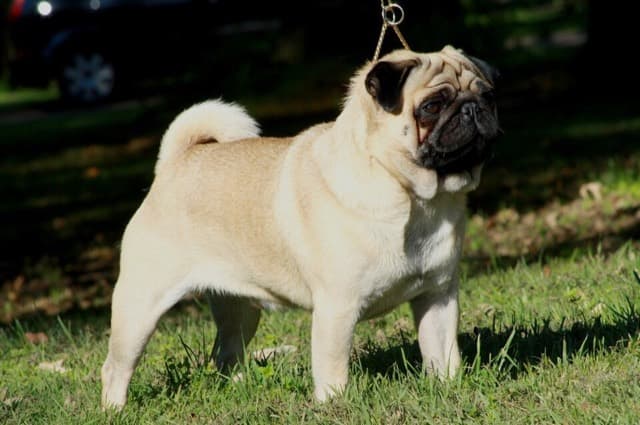
Flat-faced (brachycephalic) breeds, such as Pugs, French Bulldogs, Shih Tzus, Boston Terriers and Cavalier King Charles Spaniels, are more prone to eye problems. Their eyes tend to be more prominent and less protected, and some have folds of skin or hair near the eyes that can rub. They may also be more likely to get eye injuries and ulcers.
If you share your home with a flat-faced breed, it is worth checking their eyes every day and acting quickly on any change.
How to gently clean your dog's eyes
For normal eye sleep, gentle cleaning is all that is needed:
- Wash your hands first.
- Dampen a piece of clean cotton wool with cooled boiled water or clean lukewarm water.
- Gently wipe from the inner corner of the eye outwards, without touching the eyeball itself.
- Use a fresh piece of cotton wool for each eye to avoid spreading anything from one eye to the other.
- Pat the area dry with a soft, clean cloth.
A few important don'ts:
- Don't use human eye drops or any leftover medicines. Some products for people can be harmful to dogs or can make certain eye conditions worse.
- Don't try to remove something stuck in the eye yourself. Keep your dog from rubbing it and contact your vet.
- Don't use cotton buds near the eye, as a sudden movement could cause injury.
If your dog has long hair around the face, keeping it trimmed away from the eyes can reduce irritation. Our grooming basics guide has more on this.
When to book a routine check
Not every change is an emergency. If your dog has a little more eye sleep than usual but is otherwise comfortable, with no redness, squinting or cloudiness, it is reasonable to clean the eyes gently and keep an eye on things for a day or so. If it continues, increases or any other signs appear, book an appointment. For help deciding how urgent something is, see our guide to signs your pet needs a vet.
The takeaway
A little clear sleep in the corners of the eyes is part of normal life for many dogs. Coloured or heavy discharge, redness, squinting, pawing and cloudiness are not. Because eye problems can worsen quickly, a painful, red or cloudy eye is always worth a same-day call to your vet.
Written by the Petopedia editorial team to our editorial standards. This is general information, not veterinary advice — if you're worried about your pet, contact your vet.